0%
Loading...
Loading...
 Surgical Evaluation and Management of Spinal Disorders
Spine Surgery focuses on the evaluation and surgical management of conditions affecting the spine, spinal discs, nerves and related structures. Spinal problems may involve the cervical, thoracic or lumbar regions and can result from degeneration, injury, structural abnormalities or other underlying conditions.At Matis Hospital, spine conditions are assessed based on symptoms, medical history, physical examination and appropriate imaging or other investigations. Surgery is considered when clinically appropriate, taking into account the underlying condition, severity of symptoms and response to non-surgical treatment.
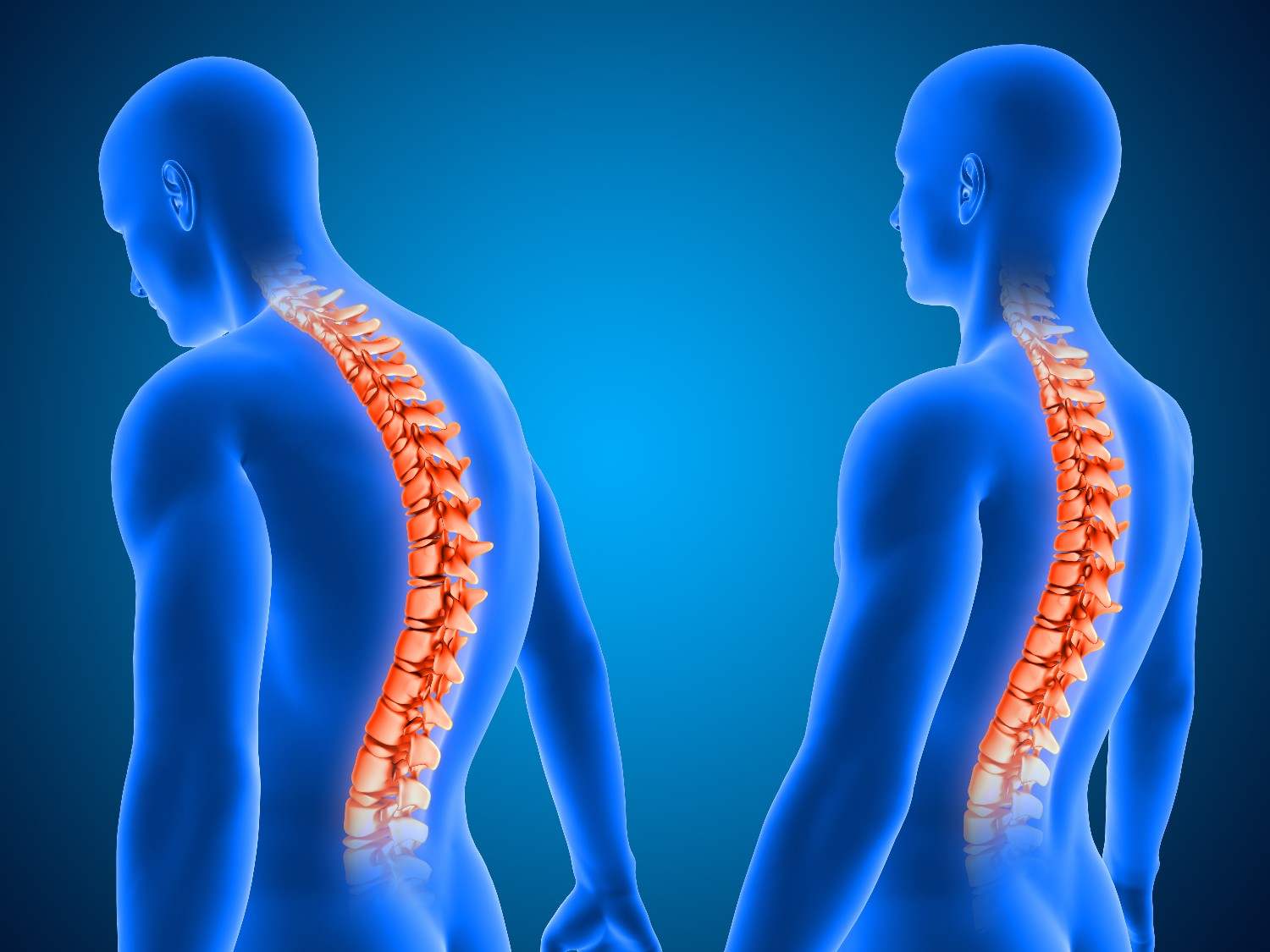 Degenerative, Traumatic and Structural Disorders
Spine surgery may be considered for selected conditions such as:
 Surgical Planning, Rehabilitation and Follow-Up
Spinal surgery may include procedures such as decompression, discectomy, spinal fusion, instrumentation or other procedures depending on the diagnosis and affected spinal region. The choice of procedure depends on the patient’s condition, imaging findings, symptoms and overall health.
Before surgery, patients may undergo clinical assessment, imaging and other investigations to determine whether an operation is appropriate. Non-surgical treatment may be considered where suitable, and the potential benefits, risks and alternatives of surgery should be discussed as part of the treatment decision.
Following surgery, care may include pain management, wound care, activity guidance, physiotherapy or rehabilitation and scheduled follow-up to monitor recovery and functional progress.
Meet Our Team
Consultant: Orthopedics at Matis Hospital, Ahmedabad Performed 4000+ Surgeries Successfully 500 Knee & Hip Replacement Surgeries Performed & Assisted Experience...
Read profileBOOKINGSchedule your visit with trusted specialists in just a few clicks. Quick, easy, and convenient care starts here.