0%
Loading...
Loading...
 Diagnosis and Management of Neurological Disorders
Neurology is the medical specialty focused on the diagnosis and non-surgical management of disorders affecting the brain, spinal cord, peripheral nerves and muscles. Neurological conditions can affect movement, sensation, memory, speech, coordination, balance and other functions of the nervous system.At Matis Hospital, neurological conditions are evaluated through clinical assessment, neurological examination and appropriate diagnostic investigations. Treatment is planned according to the underlying condition, symptoms, severity and individual healthcare needs.
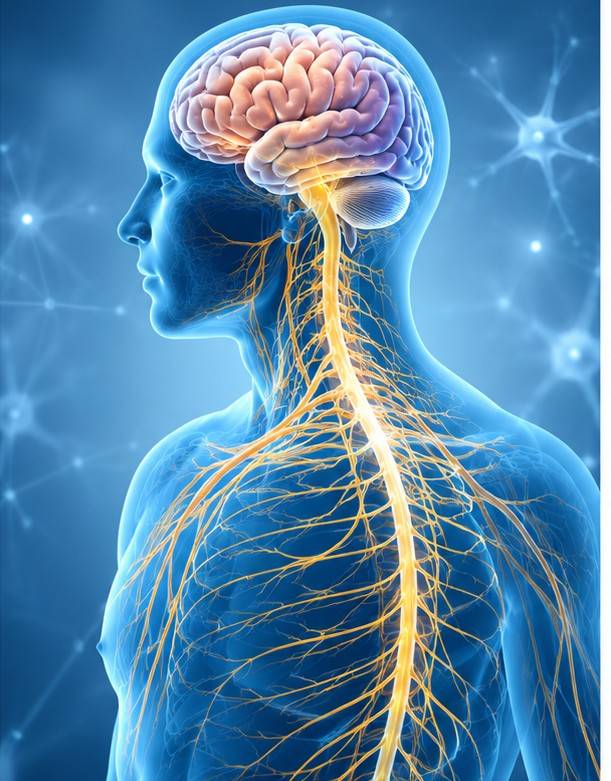 Comprehensive Neurological Care
Neurology may involve the evaluation and management of conditions such as:
 Clinical Assessment and Medical Management
Neurological assessment may include a detailed medical history, neurological examination and investigations such as blood tests, brain or spine imaging, electroencephalography (EEG), nerve conduction studies or electromyography (EMG), depending on the suspected condition.
Treatment varies according to the diagnosis and may include medicines, rehabilitation, lifestyle measures, management of underlying risk factors and regular clinical monitoring. Some neurological conditions require long-term follow-up to assess symptoms, treatment response and disease progression.
When a condition may require surgical intervention or another specialised procedure, patients may be referred to Neurosurgery or other relevant specialties as clinically appropriate.
 BOOKING
Schedule your visit with trusted specialists in just a few clicks. Quick, easy, and convenient care starts here.