
Hypertension, also known as high blood pressure, is a common condition in which blood pressure remains persistently higher than recommended. It is often called a “silent killer” because many people have no noticeable symptoms, even when their blood pressure is elevated.
When hypertension is not detected and appropriately managed, it can damage blood vessels and vital organs over time. It increases the risk of heart disease, stroke, kidney disease and other serious complications.
What Is Hypertension?
Blood pressure is the force exerted by circulating blood against the walls of the arteries. It is recorded using two measurements:
- Systolic pressure: The upper number, which measures pressure when the heart contracts.
- Diastolic pressure: The lower number, which measures pressure when the heart relaxes between beats.
Blood pressure is measured in millimetres of mercury (mmHg). A reading of 120/80 mmHg, for example, represents a systolic pressure of 120 and a diastolic pressure of 80.
A diagnosis of hypertension should not generally be based on one elevated reading. Healthcare professionals consider properly measured readings taken on separate occasions, along with the person’s medical history and clinical circumstances.
Why Is Hypertension Called a Silent Killer?
Hypertension often develops without obvious warning signs. A person may feel well while persistently elevated blood pressure places additional strain on the heart and blood vessels.
Over time, this strain can contribute to damage affecting the heart, brain, kidneys, eyes and other organs. Because symptoms may be absent, waiting until you feel unwell is not a reliable way to detect high blood pressure.
Regular blood pressure checks are important even when you feel healthy. Early detection gives you and your healthcare professional an opportunity to assess your risk and decide whether treatment is needed.
What Increases the Risk of Hypertension?
Several factors can increase the likelihood of developing high blood pressure. These include:
- Increasing age: The risk generally rises as people get older.
- Family history: Genetic factors and a family history of hypertension can increase susceptibility.
- Overweight or obesity: Excess body weight is associated with a higher risk.
- High salt intake: Consuming too much sodium can contribute to elevated blood pressure.
- Physical inactivity: Limited physical activity can increase cardiovascular risk.
- Tobacco use: Smoking and other tobacco products harm blood vessels and increase cardiovascular risk.
- Excessive alcohol consumption: Drinking too much alcohol can contribute to high blood pressure.
- Other health conditions: Diabetes and chronic kidney disease are associated with increased risk.
- Sleep apnoea: Obstructive sleep apnoea is associated with hypertension.
- Certain medicines or medical conditions: Some can raise blood pressure or make it more difficult to control.
Some risk factors cannot be changed, but others can be addressed through appropriate lifestyle measures and medical care. Having risk factors does not automatically mean that you will develop hypertension.
What Happens If Hypertension Is Not Controlled?
Persistently elevated blood pressure can damage arteries and increase the risk of serious health complications. The effects may develop gradually, even when a person does not notice symptoms.
Heart Disease and Heart Failure
High blood pressure makes the heart work harder to pump blood. Over time, it can contribute to changes in the heart muscle and increase the risk of coronary artery disease, heart attack, heart failure and other cardiovascular problems.
Stroke and Brain Complications
Hypertension can damage the blood vessels supplying the brain, increasing the risk of a stroke. Long-term uncontrolled blood pressure is also associated with other forms of cardiovascular and cerebrovascular damage.
Kidney Disease
The kidneys contain small blood vessels that help filter waste and excess fluid from the blood. Persistent high blood pressure can damage these vessels and contribute to chronic kidney disease. Kidney disease can also make blood pressure more difficult to control.
Eye Damage
High blood pressure can damage the small blood vessels in the retina, the light-sensitive tissue at the back of the eye. This condition, known as hypertensive retinopathy, may affect vision in more advanced cases.
Damage to Blood Vessels
Over time, hypertension can contribute to changes in the arteries and increase the risk of other vascular complications. Managing blood pressure is an important part of reducing overall cardiovascular risk.
Does High Blood Pressure Cause Symptoms?
Most people with hypertension do not experience specific symptoms. A person can have high blood pressure without headaches, dizziness or any other noticeable warning sign.
Very high blood pressure may occur alongside symptoms such as chest pain, difficulty breathing, severe headache, confusion or changes in vision. However, these symptoms alone cannot confirm hypertension, and their absence does not mean blood pressure is normal.
The reliable way to identify high blood pressure is to measure it correctly and have the results assessed by a healthcare professional.
How Is Hypertension Detected and Assessed?
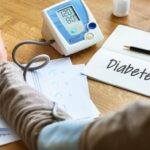
Blood pressure measurement is the main way to detect hypertension. A healthcare professional may repeat the measurement on separate occasions and may recommend home or ambulatory monitoring when appropriate.
Depending on your readings and medical history, your assessment may also include a review of your medicines, family history and other health conditions. Tests may be recommended to evaluate cardiovascular risk or check for effects on the kidneys and other organs.
Your healthcare professional will use this information to determine whether treatment is needed and what blood pressure target is appropriate for you.
Can Hypertension Be Controlled?
In many cases, hypertension can be managed with a combination of lifestyle changes, regular monitoring and medication when prescribed. Treatment can help lower blood pressure and reduce the risk of complications.
Important measures include reducing excessive salt intake, following a balanced diet, staying physically active, maintaining an appropriate body weight, avoiding tobacco and taking prescribed medication consistently.
Some people need long-term medication even when they feel well or their readings improve. Do not stop or change prescribed blood pressure medicine without consulting your healthcare professional.
For practical guidance on daily habits, medicines and home blood pressure checks, read our related article on how to manage high blood pressure.
When Is Urgent Medical Attention Needed?
A blood pressure reading above 180/120 mmHg requires prompt attention. If you receive a reading in this range, wait at least one minute and measure it again.
If the repeat reading remains this high and you have no new symptoms, contact a healthcare professional immediately for advice. Do not ignore the reading.
If very high blood pressure is accompanied by symptoms such as the following, seek emergency medical care immediately:
- Chest pain
- Severe shortness of breath
- Sudden weakness or numbness
- Difficulty speaking
- Sudden changes in vision
- Severe confusion
- Seizures or other sudden, severe neurological symptoms
Do not wait for the blood pressure to fall on its own or attempt to lower it rapidly without medical supervision. Severe or sudden symptoms require urgent assessment even if you have not measured your blood pressure.
Know Your Blood Pressure Before Symptoms Appear
Hypertension can remain undetected for years because it often causes no noticeable symptoms. Regular blood pressure checks, early assessment and appropriate treatment can help reduce the risk of serious complications.
If you have high blood pressure or risk factors such as diabetes, kidney disease or a family history of hypertension, discuss an appropriate monitoring plan with a healthcare professional.
Know your numbers. Monitor regularly. Take action early.
Blood Pressure Care at Matis Multispeciality Hospital
Matis Multispeciality Hospital in Ahmedabad, Gujarat, provides a healthcare setting where patients can seek medical guidance for their health concerns. If you are concerned about high blood pressure, consult a qualified healthcare professional for an appropriate assessment and individualised care plan.
Disclaimer: This article is intended for general health education and does not replace professional medical advice, diagnosis or treatment. Blood pressure targets and treatment decisions vary according to individual health needs. Consult a qualified healthcare professional for personal medical guidance.