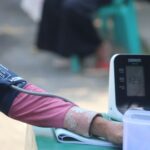

Obesity and Type 2 Diabetes: Risks, Prevention and Management
Obesity and type 2 diabetes are closely connected health conditions that can affect long-term well-being. Excess body fat, particularly around the abdomen, can contribute to insulin resistance and increase the risk of developing type 2 diabetes. Understanding this connection can help people recognise risk factors, make informed lifestyle choices and seek appropriate medical care.
With timely screening, sustainable lifestyle changes and suitable medical management, many people can improve their metabolic health and reduce the risk of diabetes-related complications.
What Is Obesity?
Obesity is a chronic health condition involving excessive body fat that may affect health. It is associated with several factors, including genetics, eating habits, physical activity, sleep, certain medicines and underlying medical conditions.
Body mass index (BMI) is commonly used as an initial screening measure. It is calculated by dividing weight in kilograms by height in metres squared. BMI does not directly measure body fat and should be interpreted alongside other clinical factors.
BMI Categories for Adults
Under the standard international adult BMI classification, the categories are:
- Underweight: BMI below 18.5
- Healthy weight range: BMI from 18.5 to 24.9
- Overweight: BMI from 25.0 to 29.9
- Obesity: BMI of 30.0 or above
For Indian and other Asian populations, some clinical guidelines use lower BMI thresholds to identify increased metabolic risk. BMI values of 23.0 and 25.0 may be used as action points for overweight and obesity, respectively, depending on the guideline. Waist circumference and other individual risk factors can also help assess health risks.
What Is Type 2 Diabetes?
Type 2 diabetes is a chronic condition in which blood glucose (blood sugar) levels become too high. It develops when the body does not use insulin effectively and may also occur when the pancreas cannot produce enough insulin to meet the body’s needs.
Insulin is a hormone that helps glucose move from the bloodstream into cells for energy. When insulin resistance develops, glucose can build up in the blood. Over time, persistently high blood glucose can damage blood vessels and nerves and increase the risk of complications affecting the heart, kidneys, eyes and feet.
How Are Obesity and Type 2 Diabetes Connected?
Excess body fat, especially around the abdomen, is associated with an increased risk of insulin resistance. When the body becomes less responsive to insulin, the pancreas may initially produce more insulin to maintain normal blood glucose levels. Over time, it may become harder to keep glucose within the recommended range.
Obesity does not mean that a person will definitely develop type 2 diabetes, and people who are not living with obesity can also develop the condition. However, excess body fat is an important modifiable risk factor, making appropriate weight management one part of diabetes prevention and care.
Common Risk Factors
Several factors can increase the likelihood of developing obesity, insulin resistance or type 2 diabetes. These include:
- Excess body weight or increased abdominal fat
- A family history of type 2 diabetes
- Limited physical activity and prolonged sitting
- Frequent consumption of energy-dense foods and sugary drinks
- A history of gestational diabetes or diabetes during pregnancy
- High blood pressure or abnormal cholesterol levels
- Increasing age, although type 2 diabetes can occur in younger adults and children
- Polycystic ovary syndrome (PCOS), which is associated with an increased risk of insulin resistance in some people
Having one or more risk factors does not mean that diabetes is inevitable. Screening and appropriate preventive measures can help identify and manage risk.
Symptoms to Watch For
Type 2 diabetes may develop gradually, and some people have no noticeable symptoms in the early stages. When symptoms occur, they may include:
- Increased thirst
- Frequent urination
- Increased hunger
- Unexplained weight loss
- Fatigue or low energy
- Blurred vision
- Slow-healing wounds or recurrent infections
- Tingling or numbness in the hands or feet
These symptoms can have causes other than diabetes. If you experience them, seek medical evaluation rather than relying on symptoms alone to determine whether you have diabetes.
How Are Obesity and Diabetes Diagnosed?
Assessment usually begins with a review of medical history, family history, weight, waist circumference, lifestyle and other health conditions. A healthcare professional may recommend blood tests to assess glucose levels and determine whether diabetes or prediabetes is present.
Common tests include:
- Fasting plasma glucose: Measures blood glucose after fasting.
- HbA1c test: Estimates average blood glucose over approximately two to three months.
- Oral glucose tolerance test: Measures how the body responds to a glucose drink.
The appropriate test depends on individual circumstances. In some situations, a result may need to be repeated or confirmed with another test. A clinician can interpret the findings and recommend suitable next steps.
Preventing or Delaying Type 2 Diabetes
Sustainable lifestyle changes can help reduce the risk of type 2 diabetes, particularly in people with prediabetes or other risk factors. Prevention plans should be realistic and appropriate for a person’s health, abilities and circumstances.
1. Choose a Balanced Diet
Include vegetables, whole fruits, pulses, whole grains and suitable sources of protein in your meals. Pay attention to portion sizes and limit frequent consumption of sugary drinks, highly processed snacks and foods high in added sugar. A balanced eating pattern can support weight management and blood glucose control.
2. Stay Physically Active
Regular physical activity can improve insulin sensitivity and support cardiovascular health. Many adults can aim for at least 150 minutes of moderate-intensity aerobic activity each week, adjusted to their abilities and medical circumstances. Strength-building activities can also be beneficial. Start gradually if you have been inactive, and seek medical advice before increasing exercise if you have relevant health concerns.
3. Aim for Sustainable Weight Management
For people who are living with overweight or obesity, gradual and sustainable weight loss may improve insulin sensitivity and reduce the risk of developing type 2 diabetes. Research in people at high risk has shown that losing around 5% to 7% of initial body weight, together with lifestyle changes, can help lower diabetes risk. Individual goals may differ, and progress should focus on long-term health rather than rapid weight loss.
4. Prioritise Sleep and Daily Habits
Consistent sleep, stress management and reducing prolonged sitting can support overall metabolic health. Choose practical habits that can be maintained over time instead of relying on restrictive diets or short-term weight-loss approaches.
5. Attend Recommended Health Screenings
People with risk factors such as a family history of diabetes, excess abdominal fat, high blood pressure or a history of gestational diabetes may benefit from appropriate screening. Early identification of prediabetes or diabetes allows timely discussion of preventive measures and treatment.
Managing Obesity and Type 2 Diabetes
Management depends on a person’s glucose levels, weight-related health risks, medical history and treatment goals. A plan may combine lifestyle changes, prescribed medicines and regular monitoring.
Medical Nutrition and Lifestyle Support
A personalised eating plan and regular physical activity can support both weight management and blood glucose control. Recommendations should take into account food preferences, other medical conditions, daily routines and any medicines that may affect glucose or weight.
Medicines for Type 2 Diabetes
Depending on individual needs, a healthcare professional may prescribe medicines to help manage blood glucose. Some diabetes medicines may also support weight loss, while others may have a neutral effect on weight or contribute to weight gain. The choice depends on factors such as glucose control, kidney and heart health, side effects and treatment goals.
Do not start, stop or change diabetes medicines without appropriate medical guidance. Medicines used for weight management also require assessment for suitability, possible side effects and contraindications.
Weight-Loss Procedures and Surgery
For selected people with obesity, metabolic or bariatric surgery may be considered when clinically appropriate. Eligibility depends on factors such as BMI, associated health conditions, previous treatment and individual circumstances. These procedures can lead to substantial weight loss and improve blood glucose control in some people, but they also involve risks, follow-up requirements and long-term nutritional monitoring.
Improvement or remission of type 2 diabetes can occur after substantial weight loss, including after some weight-loss procedures. Remission does not necessarily mean the condition is permanently cured, and ongoing monitoring remains important.
Monitoring and Long-Term Care
Regular follow-up helps assess progress, review treatment and identify complications early. Depending on the diagnosis and treatment plan, monitoring may include:
- Blood glucose levels and HbA1c
- Blood pressure and cholesterol
- Weight and waist circumference, where appropriate
- Kidney function
- Eye health and foot health for people with diabetes
- Medication effectiveness and possible side effects
Follow-up schedules vary according to individual needs. Continue recommended check-ups even when you feel well, because high blood glucose may not cause obvious symptoms.
When Should You Seek Medical Help?
Arrange a medical assessment if you have symptoms of diabetes, have been told that your blood glucose is elevated, or have risk factors that may warrant screening. Early assessment can help clarify your risk and guide appropriate care.
Seek urgent medical attention if you experience severe symptoms such as persistent vomiting, abdominal pain, difficulty breathing, confusion or marked drowsiness, particularly if diabetes is known or suspected. These may indicate a serious medical problem.
Take a Proactive Approach to Metabolic Health
Obesity and type 2 diabetes are linked, but developing diabetes is not inevitable for everyone who has excess body weight. Understanding your risk, maintaining sustainable lifestyle habits, attending recommended screenings and following an appropriate treatment plan can help protect long-term health.
If you have concerns about your weight, blood glucose or diabetes risk, consult a qualified healthcare professional for an assessment suited to your needs.
Need Medical Guidance?
Matis Hospitals provides multispeciality healthcare services in Ahmedabad, Gujarat. If you have concerns about obesity, blood glucose or type 2 diabetes, seek an appropriate medical evaluation to understand your health needs and available care options.
Matis Hospitals
Ahmedabad, Gujarat
This article is for general educational purposes only. It is not a substitute for professional medical advice, diagnosis or treatment. Do not delay seeking medical care because of information in this article.