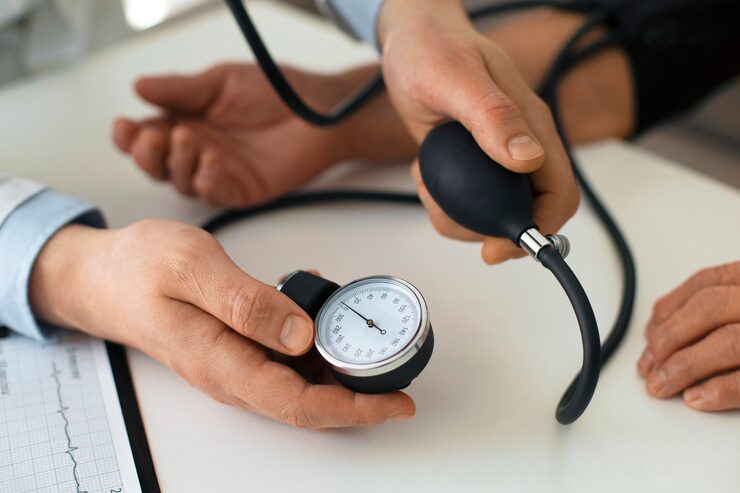
High blood pressure, also known as hypertension, is a common condition in which blood pressure remains higher than recommended over time. If left uncontrolled, it can increase the risk of heart disease, stroke, kidney disease and other serious health complications.
Hypertension often has no noticeable symptoms, which is why regular blood pressure checks are important. With appropriate lifestyle changes, regular monitoring and medication when needed, many people can manage their blood pressure effectively.
What Do Blood Pressure Numbers Mean?
Blood pressure is measured in millimetres of mercury (mmHg) and recorded using two numbers.
- Systolic blood pressure: The upper number, which measures pressure in the arteries when the heart contracts.
- Diastolic blood pressure: The lower number, which measures pressure in the arteries when the heart relaxes between beats.
For example, a reading of 120/80 mmHg means a systolic pressure of 120 and a diastolic pressure of 80.
A single high reading does not necessarily mean you have hypertension. Diagnosis usually involves properly measured readings on separate occasions and assessment by a healthcare professional. Your individual blood pressure target may depend on your age, medical history and other health conditions.
How Can You Manage High Blood Pressure?
Managing hypertension involves healthy daily habits, regular blood pressure monitoring and medication when prescribed. The following measures can help support better blood pressure control.
1. Reduce Your Salt Intake
Consuming too much sodium can contribute to high blood pressure. Reducing salt intake is an important part of a heart-healthy lifestyle.
- Limit salty snacks, pickles, papads and heavily salted foods.
- Reduce packaged and highly processed foods.
- Avoid adding unnecessary salt while cooking or eating.
- Check food labels for sodium content.
If you have kidney disease or another condition that affects your diet, discuss suitable dietary changes with your healthcare professional. Do not use potassium-based salt substitutes without advice if you have kidney problems or take medicines that can increase potassium levels.
2. Follow a Balanced, Heart-Healthy Diet
A balanced diet rich in plant-based foods can support blood pressure control and overall cardiovascular health.
Include a variety of:
- Fresh vegetables and fruits
- Whole grains
- Pulses, beans and legumes
- Unsalted nuts and seeds
- Suitable sources of protein
- Milk, curd or other dairy products, as appropriate
Limit foods high in sodium, added sugars and saturated or trans fats. Choose suitable portions and a dietary pattern that fits your health needs.
3. Stay Physically Active
Regular physical activity can help lower blood pressure and improve cardiovascular fitness. Activities such as brisk walking, cycling and swimming may be suitable options.
For many adults, a useful goal is at least 150 minutes of moderate-intensity aerobic activity per week, adjusted to individual ability and medical advice. Start gradually if you are not regularly active.
If you have very high blood pressure, heart disease or another significant medical condition, seek medical advice before beginning a new or strenuous exercise programme.
4. Maintain a Healthy Weight
Excess body weight can increase the risk of hypertension. If you are overweight, gradual and sustainable weight reduction may help improve blood pressure and reduce other health risks.
Focus on balanced meals, regular physical activity and realistic long-term habits rather than crash diets or unverified weight-loss products.
5. Avoid Tobacco
Smoking and other forms of tobacco use increase the risk of heart disease, stroke and damage to blood vessels. Quitting tobacco is an important step towards protecting your cardiovascular health.
A healthcare professional can help you explore suitable options for stopping tobacco use.
6. Limit or Avoid Alcohol
Alcohol can contribute to high blood pressure, particularly when consumed in excess. Avoiding alcohol or reducing consumption may support better blood pressure management.
If you have hypertension or take blood pressure medication, discuss alcohol use with your healthcare professional.
7. Prioritise Sleep and Manage Stress
Healthy sleep habits and stress management can support overall well-being and make it easier to maintain other healthy routines.
- Maintain a consistent sleep schedule.
- Stay physically active within your ability.
- Try relaxation techniques, breathing exercises or other activities that help you unwind.
- Seek medical advice for persistent sleep difficulties or symptoms such as loud snoring and interrupted breathing during sleep.
Take Blood Pressure Medicines as Prescribed
Lifestyle changes are important, but they may not be enough for everyone. Many people with hypertension also need medication to achieve their individual blood pressure target.
Common types of blood pressure medicines include:
- Angiotensin-converting enzyme (ACE) inhibitors
- Angiotensin receptor blockers (ARBs)
- Calcium channel blockers
- Diuretics
The right medicine and dose depend on factors such as your blood pressure, kidney function, other medical conditions and any medicines you already take.
Never stop, reduce or change your prescribed blood pressure medication without consulting your doctor. Even if your readings improve, continuing your treatment as directed may be necessary to keep your blood pressure controlled.
How to Monitor Your Blood Pressure at Home
Home blood pressure monitoring can help you track your readings and share useful information with your healthcare professional. Use a validated automatic upper-arm monitor with a correctly sized cuff, and follow the manufacturer’s instructions.
For a more reliable reading:
- Avoid smoking, caffeine and exercise for about 30 minutes before measuring.
- Empty your bladder and sit quietly for at least five minutes.
- Sit with your back supported and both feet flat on the floor.
- Place the cuff on your bare upper arm and support your arm at heart level.
- Do not talk or use your phone during the measurement.
- Take two readings about one minute apart and record both results.
Follow your healthcare professional’s advice on how often to measure your blood pressure. Bring your record to follow-up appointments, and do not change your medication based on individual readings without medical advice.
When Should You Seek Medical Attention?
Arrange a medical assessment if your blood pressure readings are repeatedly higher than your recommended target, even if you feel well. Hypertension can remain unnoticed for years without causing obvious symptoms.
If your blood pressure reading is above 180/120 mmHg, wait at least one minute and measure it again. If it remains this high and you have no new symptoms, contact a healthcare professional immediately for urgent advice.
If a very high reading is accompanied by chest pain, difficulty breathing, sudden weakness or numbness, difficulty speaking, a sudden change in vision or another severe, sudden symptom, seek emergency medical care immediately. Do not wait for the blood pressure to fall on its own.
These symptoms can indicate a serious medical emergency and require urgent assessment, regardless of whether you have previously been diagnosed with hypertension.
Managing High Blood Pressure for Long-Term Health
High blood pressure can often be controlled with a combination of healthy lifestyle habits, regular monitoring and appropriate medical treatment. Consistent management can help reduce the risk of heart disease, stroke, kidney damage and other complications.
Have your blood pressure checked regularly, follow your prescribed treatment plan and attend recommended follow-up appointments. Early detection and ongoing care can make an important difference to your long-term health.
Blood Pressure Care at Matis Multispeciality Hospital
Matis Multispeciality Hospital in Ahmedabad, Gujarat, provides a healthcare setting where patients can seek medical guidance for their health concerns. If you are concerned about high blood pressure, consult a qualified healthcare professional for an appropriate assessment and individualised care plan.
Disclaimer: This article is intended for general health education and does not replace professional medical advice, diagnosis or treatment. Blood pressure targets and treatment decisions vary according to individual health needs. Seek advice from a qualified healthcare professional for personal medical guidance.